A year-by-year accounting of some of the significant events in Billy B. Van’s movie-making career.
Timeline
1921
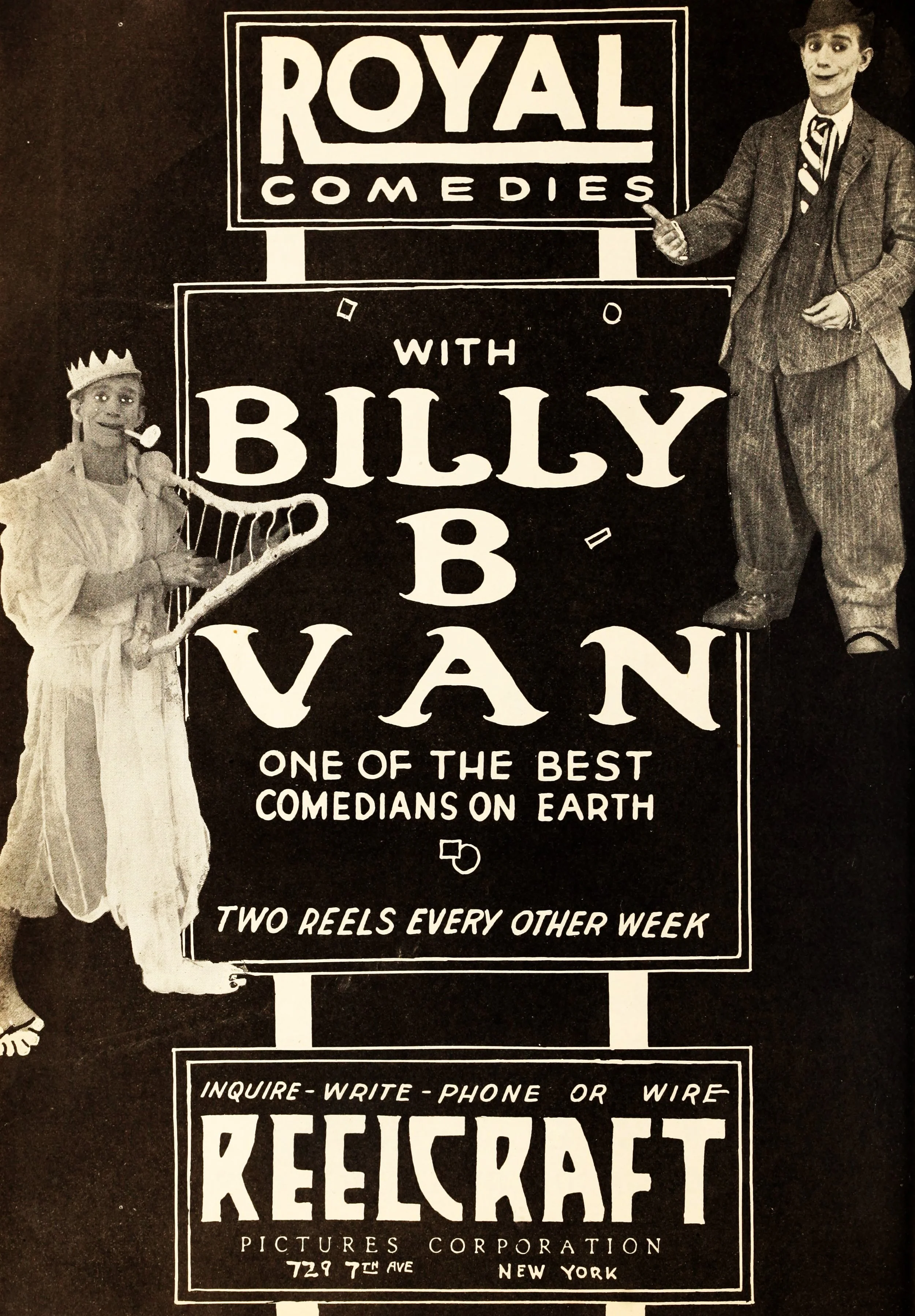
By the beginning of 1921, Billy B. Van is firmly established within Reelcraft’s Royal Comedy program. The company reports a library of eleven titles, at least five of which feature Van, indicating a steady output following the previous year’s initial releases.
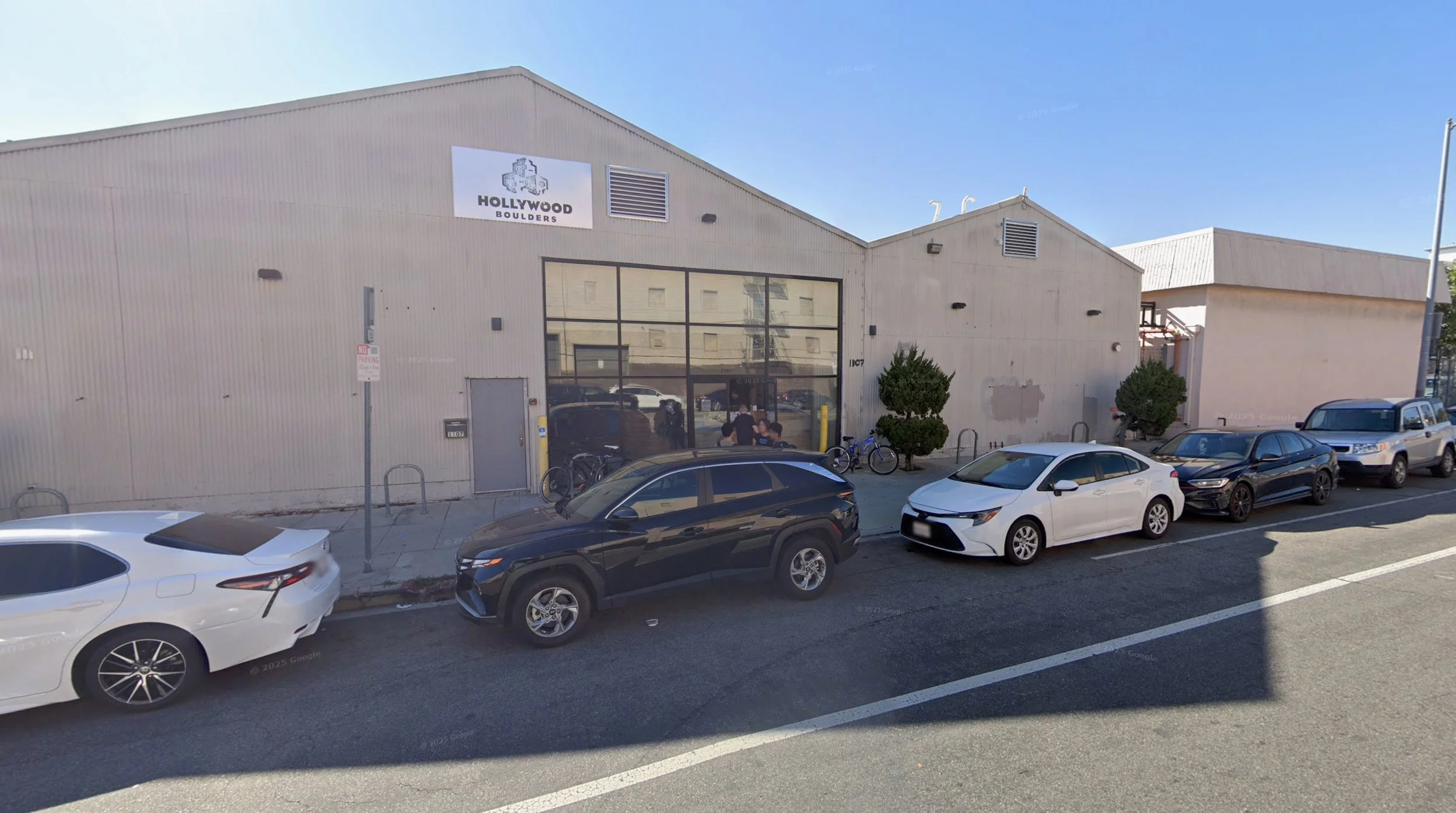
Reelcraft itself continues to expand its operations, maintaining production facilities on both coasts, including a Hollywood studio on North Bronson Street in Los Angeles and eastern operations at the Mittenhall Studio in Yonkers, New York. The Yonkers studio is stated to be in production on three comedies starring Bud Duncan, Tweedy, and a film featuring an “all star” cast.
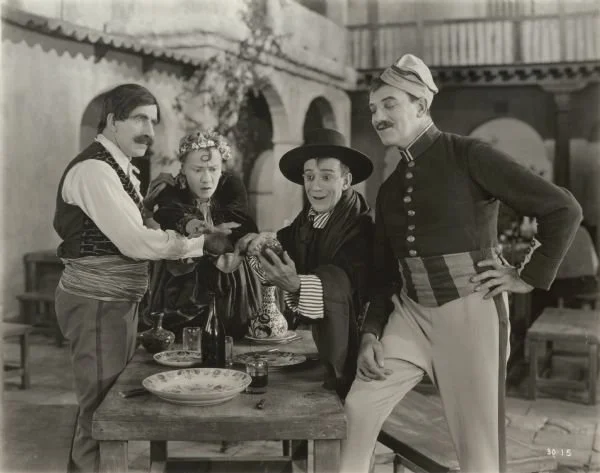
In August, however, Van appears outside the Reelcraft system in a notable casting announcement for “The Beauty Shop” a Cosmopolitan Productions feature starring Raymond Hitchcock. In the film, Van and his longtime stage partner James J. Corbett are cast as a pair of scheming “Bolognians,” marking a rare instance during this period in which Van is associated with a production not tied to Reelcraft. The supporting cast includes established screen players such as Raymond Hitchcock and Louise Fazenda, placing Van within a broader feature-film context.
By year’s end, Reelcraft further extends the reach of its productions through an agreement with the Pantages Circuit, a major theatrical network with extensive holdings across the western United States and Canada. The arrangement significantly broadens exhibition opportunities for the Royal Comedy series, including Van’s films.
Together, these developments suggest a year of consolidation and expansion: Van’s work is now part of a regular production pipeline, while occasional appearances beyond Reelcraft hint at a wider range of opportunities within the industry.

Raymond Hitchcock and Louise Fazenda in a publicity photo for “The Beauty Shop.”

Distinctive studio-shaped buildings still stand today at the Hollywood address of Reelcraft Pictures.
As an aid in the hunt for the lost films of Billy B. Van, this curated collection of contemporary trade press coverage serves as the foundation everything we know so far about one of New England’s earliest filmmakers. It is drawn from research on Lantern at the Media History Digital Library, a project of the Wisconsin Center for Film and Theater Research at the University of Wisconsin–Madison, which provides access to over three million pages of digitized trade journals, books, and magazines documenting the histories of early twentieth-century motion picture production, distribution, and industry activity as it occurred.