Timeline

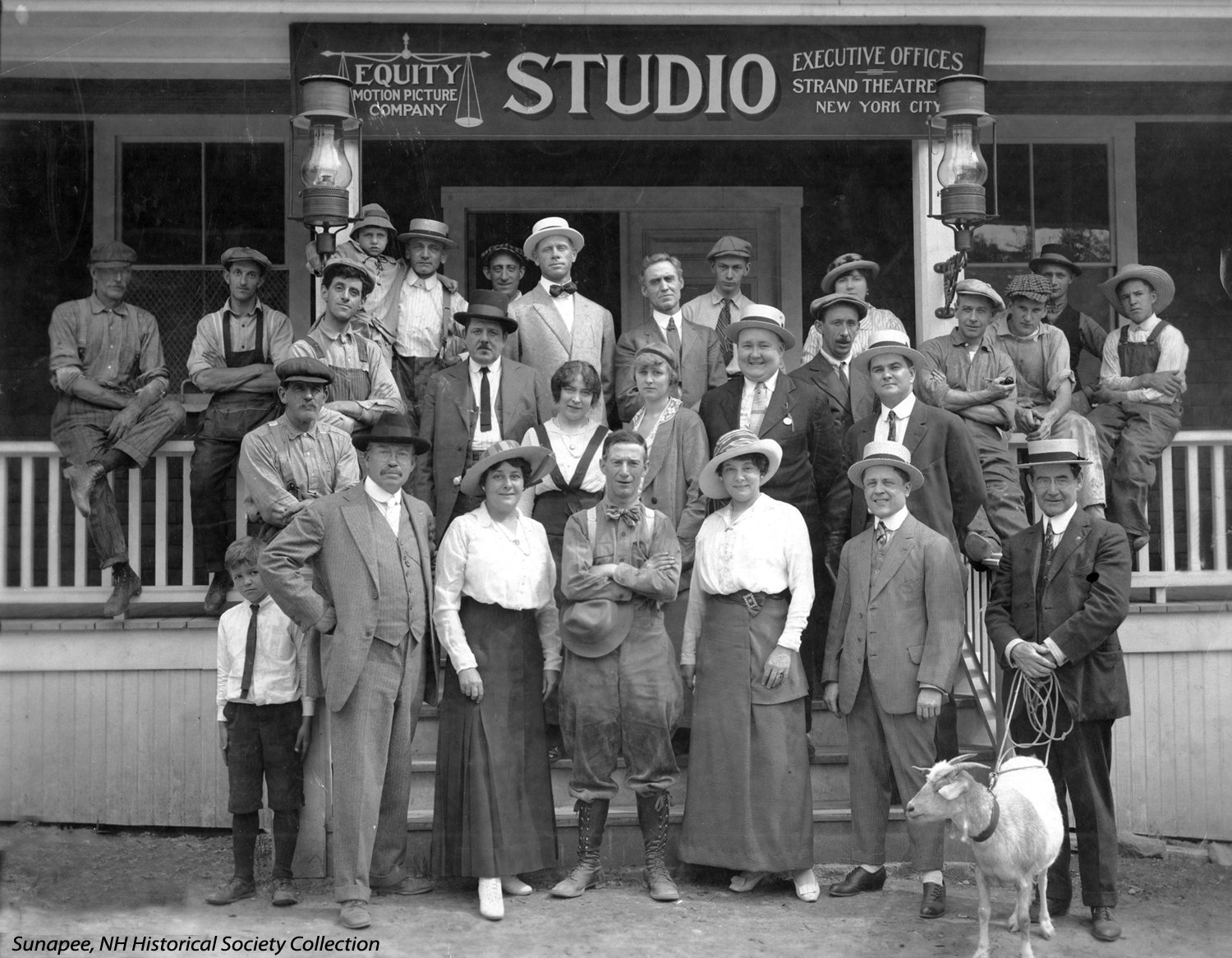

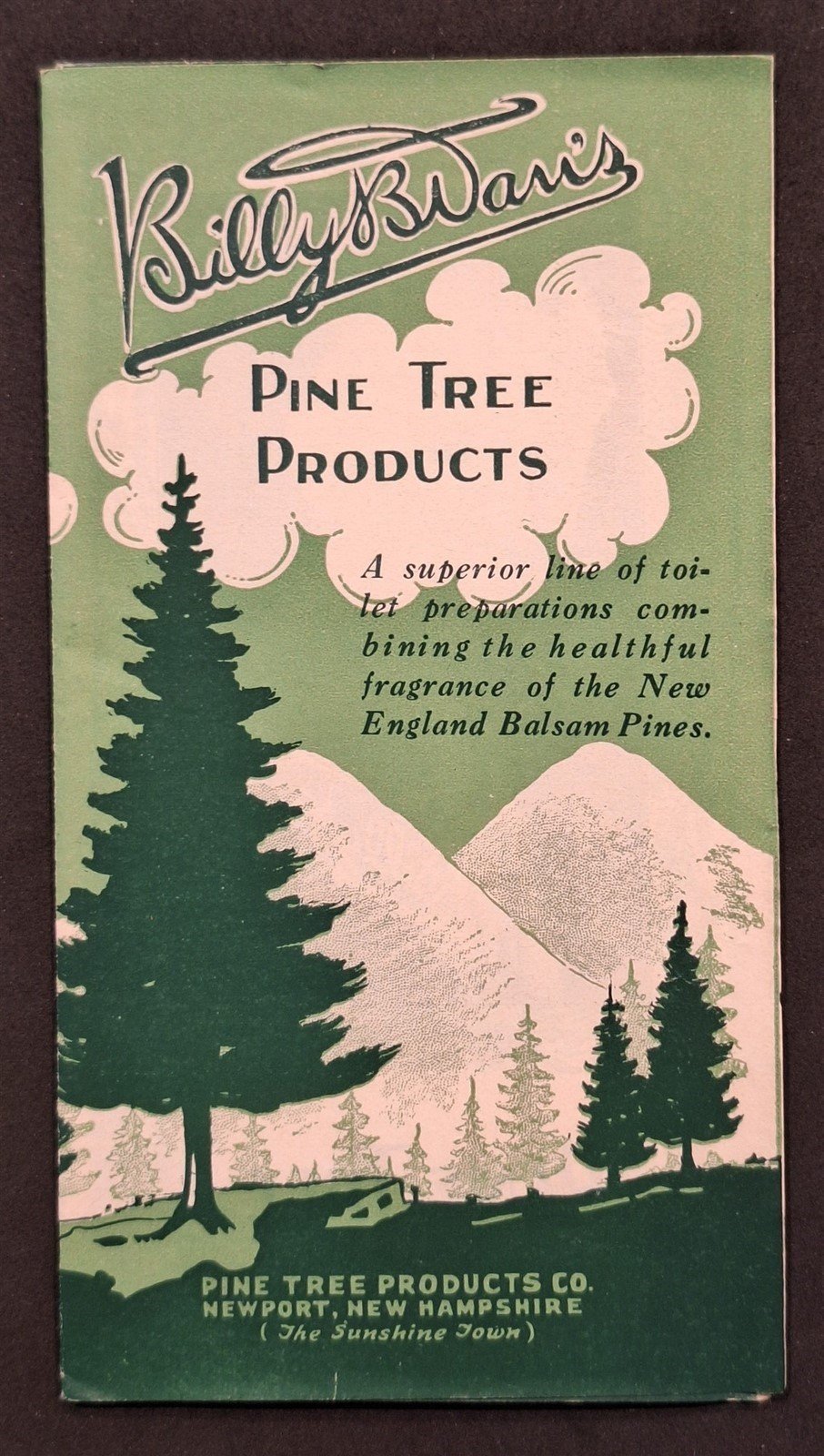
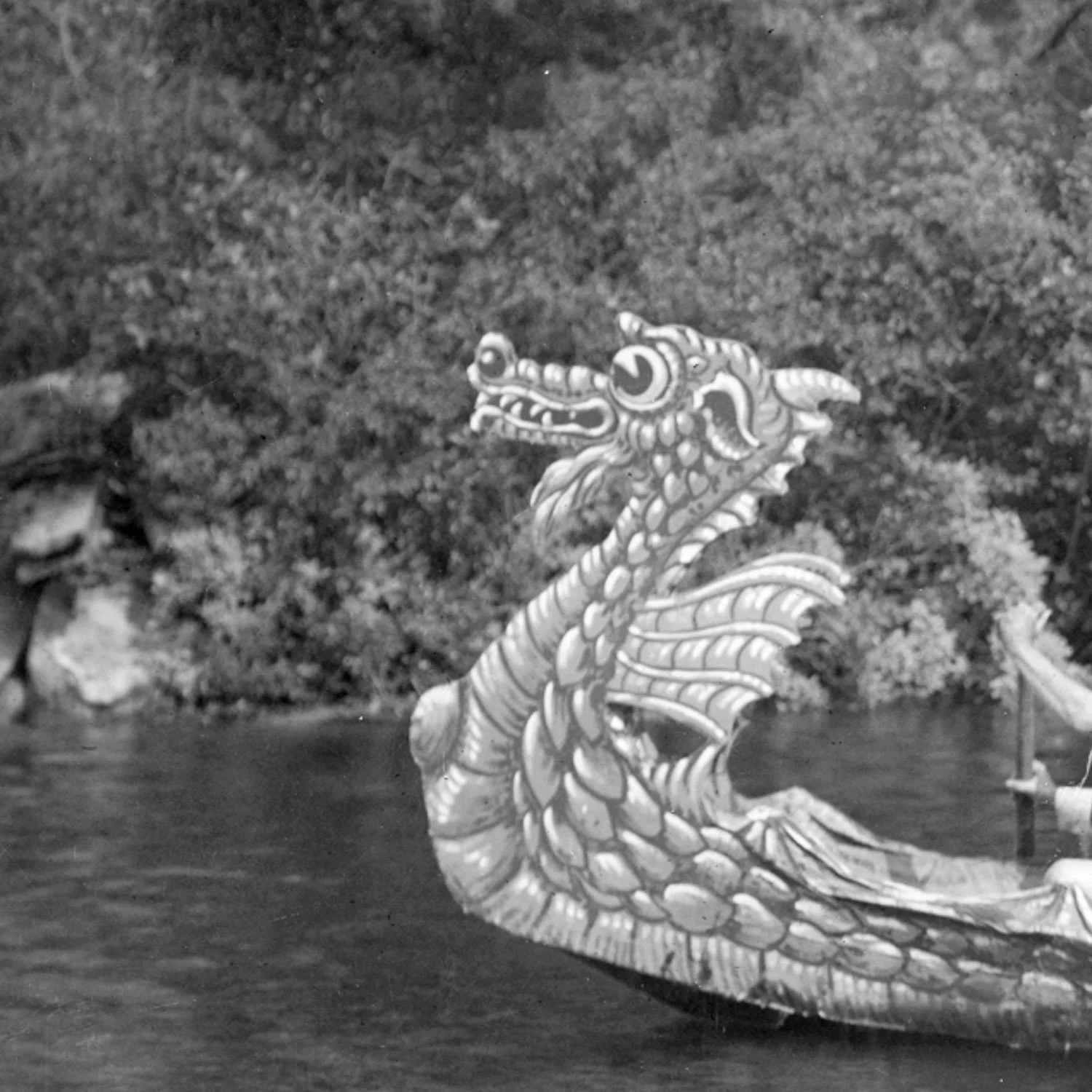
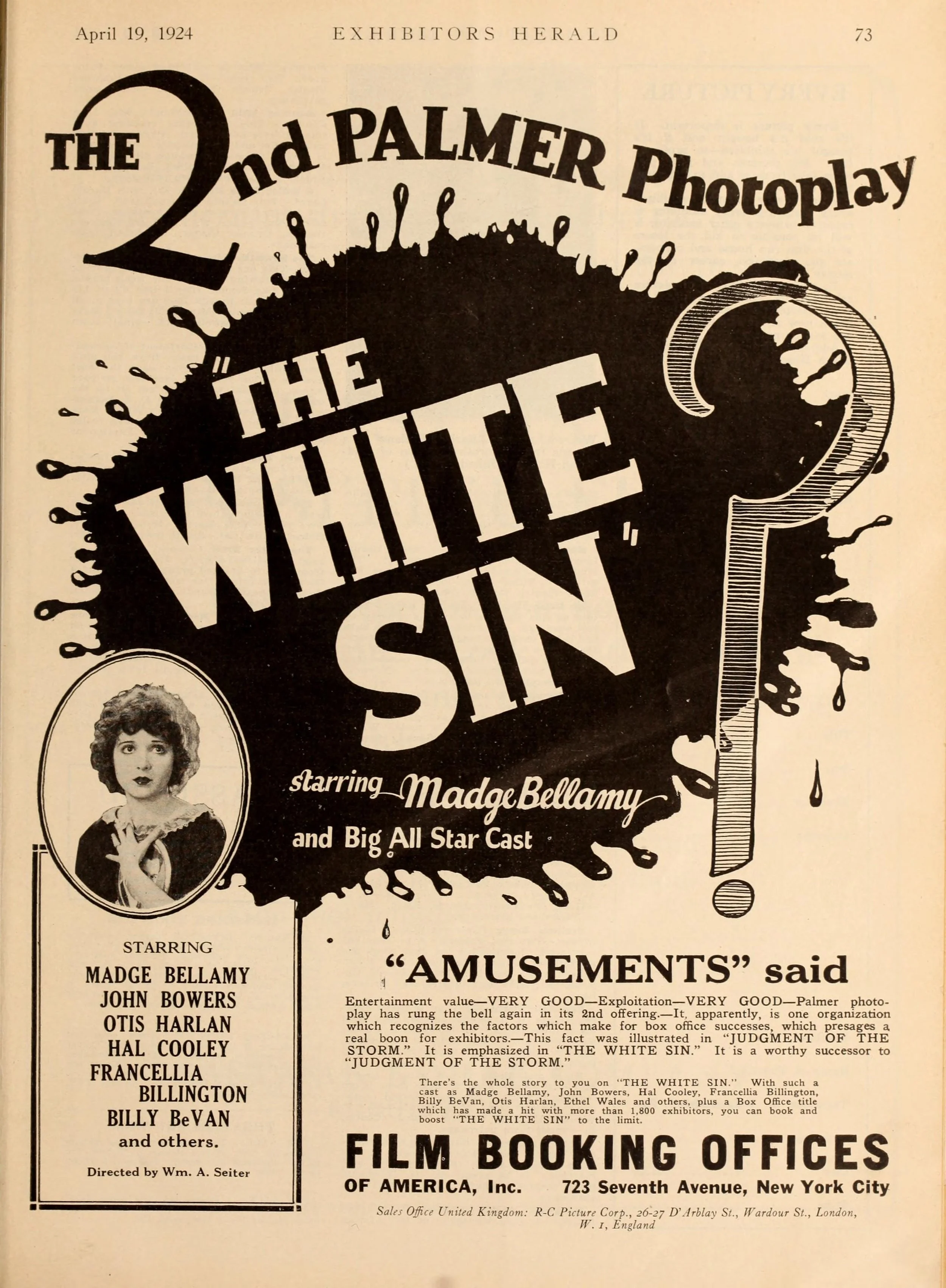
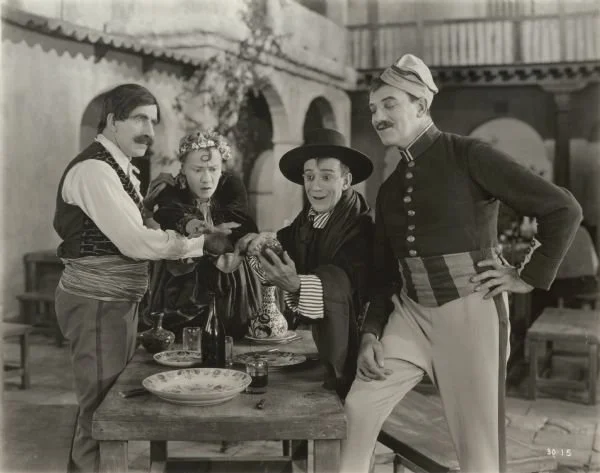
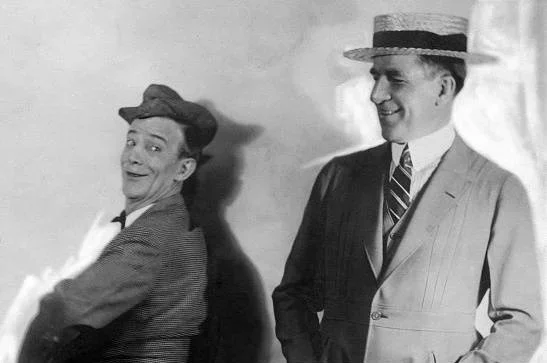
1916 begins much as 1915 ended—with continued confusion surrounding Equity’s reported acquisition of the Gunby laboratories in Ridgefield Park, New Jersey. The Gunby Brothers again publicly deny any sale, this time attributing the misunderstanding to Charter Features, a company leasing space in the building but “having no connection with the Gunby laboratories situated in the same building.”
Despite these denials, Equity’s ambitions appear undiminished. Early in the year, the company renews its announcement of a merger with Joseph Leblang’s Public Service Film Corporation, now capitalized at a reported $1,000,000. Billy B. Van remains president, with Leblang as vice president, and offices again listed in the Strand Theatre Building in New York. The company claims access to extensive facilities: acreage around Lake Sunapee, an indoor studio, and the still-disputed Gunby plant in New Jersey, where production is said to be imminent.
Amid these expansive claims, the role of distributor Bob Russell begins to shift. Originally named as a principal in Equity’s 1915 incorporation, Russell does not appear among the officers in the proposed merger. Instead, he surfaces independently in connection with continued film production at Lake Sunapee, suggesting that activity in the region is proceeding along lines not entirely controlled by Equity or Van.
1916
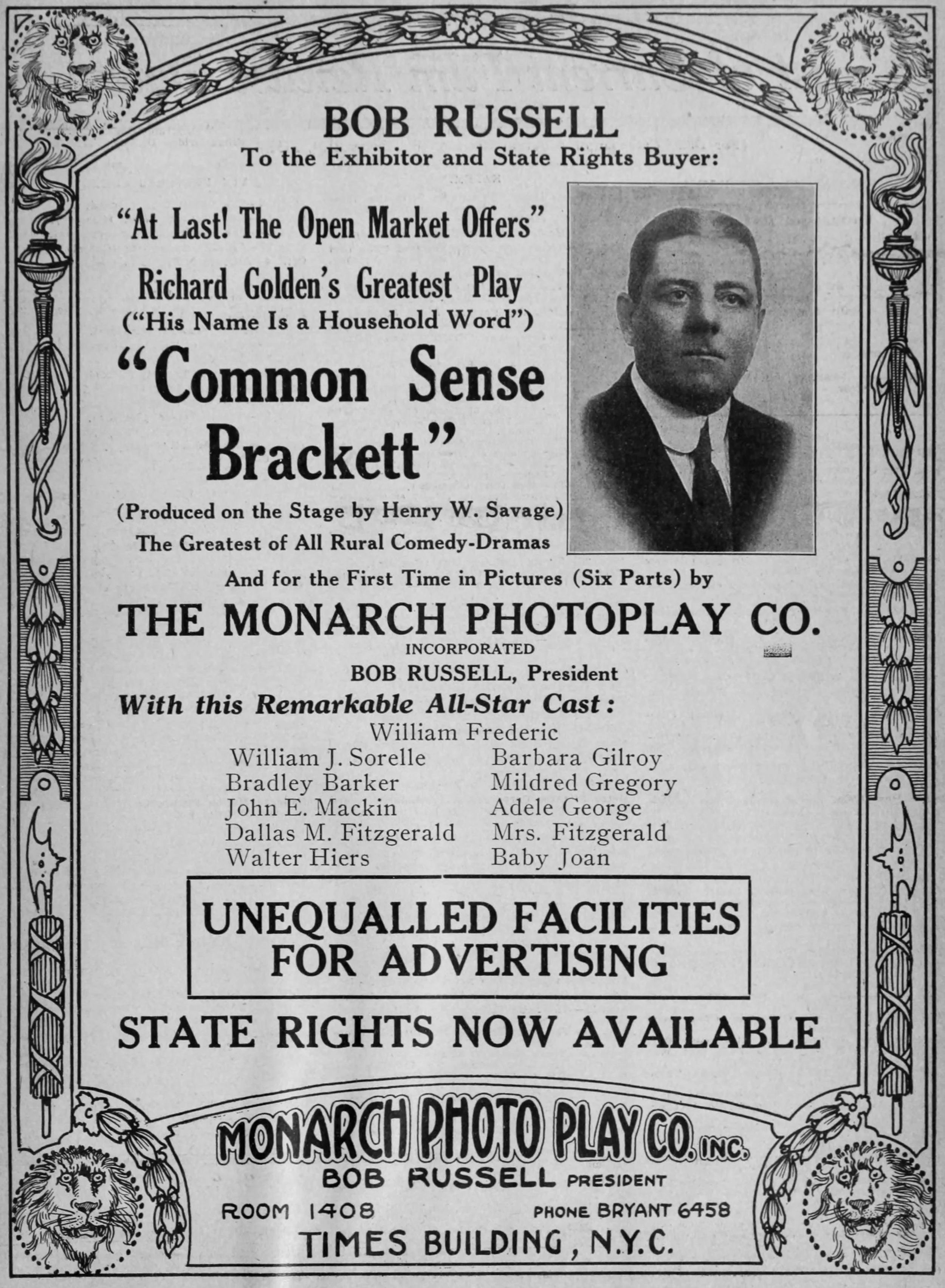
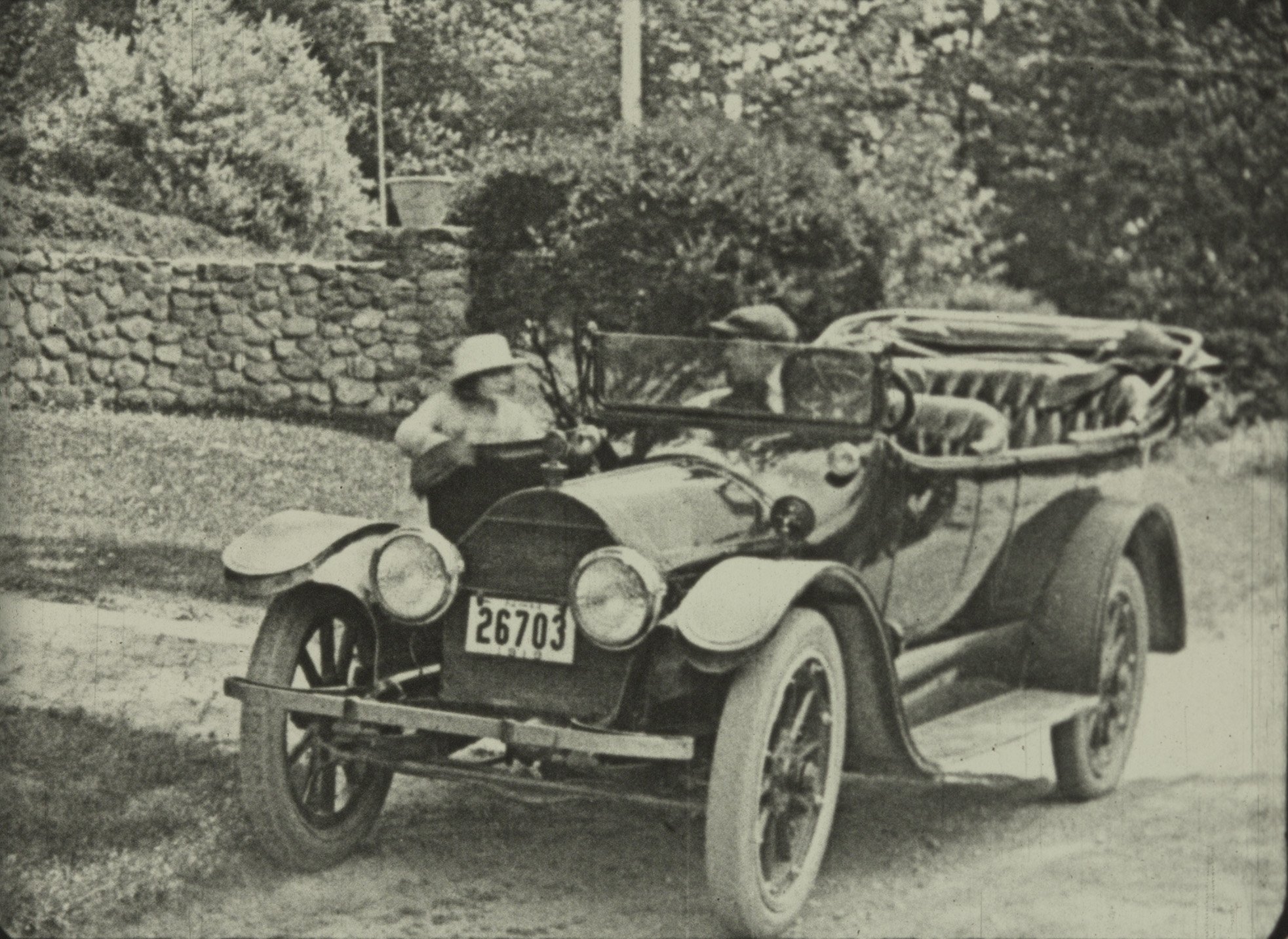
By late 1916, Russell is associated with the Monarch Photoplays feature “Common Sense Brackett,” shot on location at Lake Sunapee. Trade descriptions emphasize its realism, noting that the six-reel production was filmed “in the real country among the sort of people Common Sense Brackett knew,” on the shores near George’s Mills, New Hampshire. The cast includes a range of established screen performers drawn from companies such as Famous Players, Thanhouser, and Lubin.
“Common Sense Brackett” receives a favorable review and is scheduled for release in October 1916, providing one of the clearest indications of sustained film production activity in the Sunapee region during this period—even as Equity’s own operations remain difficult to trace in detail. While not starring Billy B. Van, this film would be an incredibly rare and meaningful piece of Sunapee history if found.
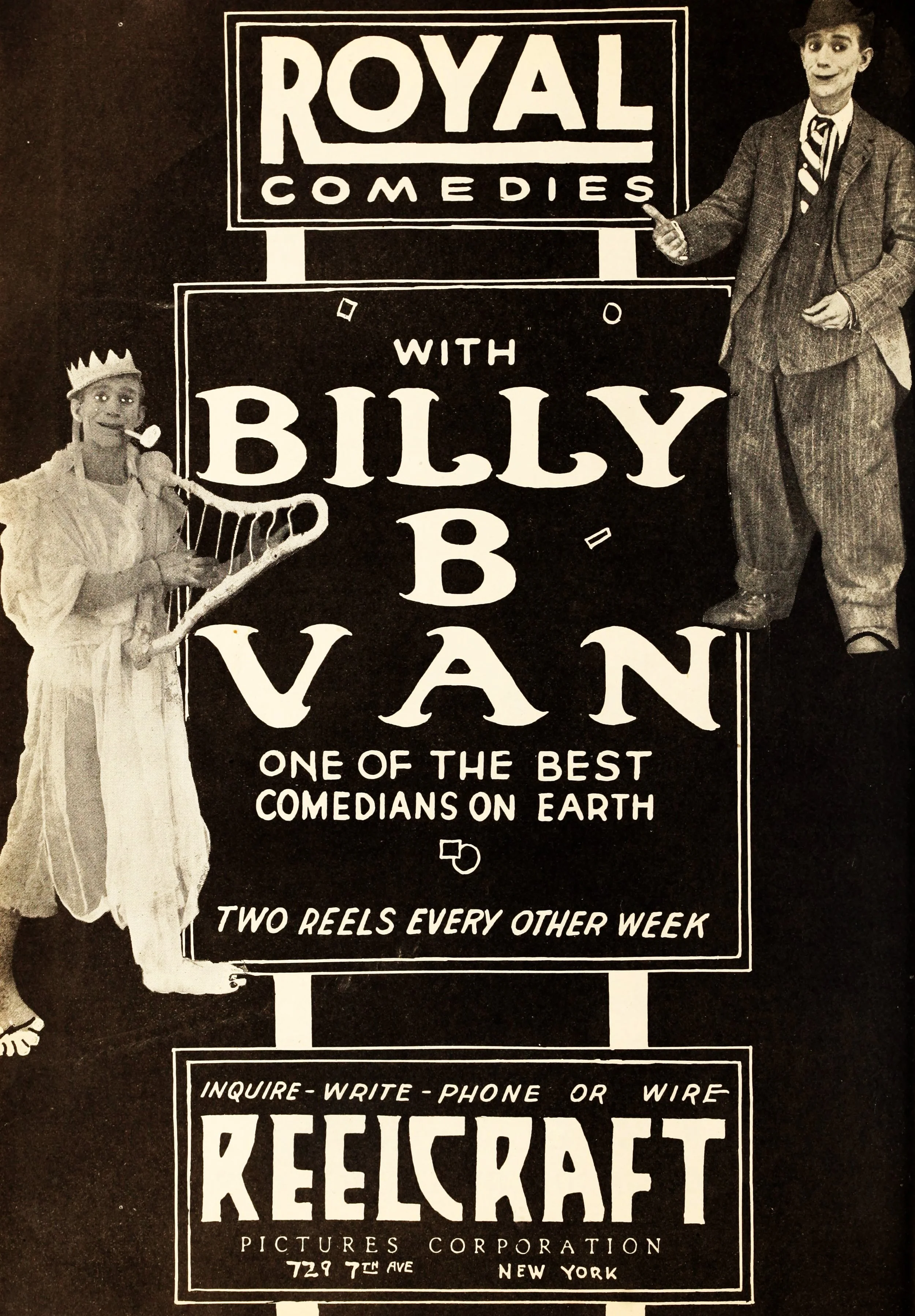
In March, Billy B. Van extends his work into the growing phonograph market with the release of a Victor Talking Machine Company record (Victor 17960), featuring performances of his vaudeville routines “To My Dog “ and “Mickey the Pum Pum Man.” The recording provides a rare surviving example of Van’s stage material as it was presented to contemporary audiences. You can listen to the recordings here.

Advertisement for “Common Sense Brackett.”